


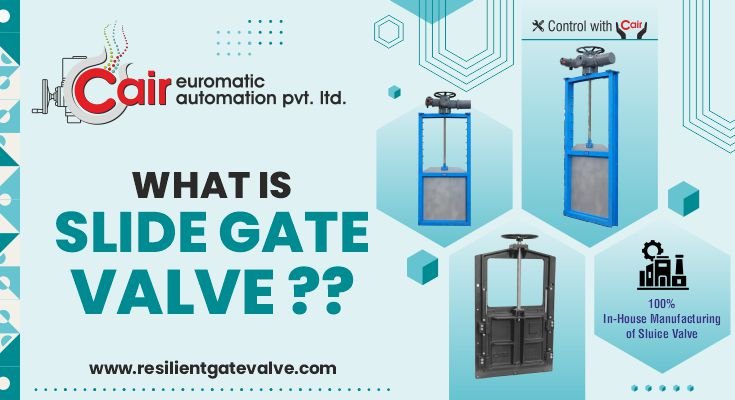
In modern water management and industrial systems, controlling the flow of fluids efficiently is very important. Whether it is a water supply network, irrigation system, or wastewater treatment plant, the right valve ensures smooth operation and long-term reliability. One of the most commonly used solutions for flow control is the sluice valve, also known as a slide gate valve.
Among the different types available, motorized and manual sluice valves are the most widely used. Each type offers unique benefits, and choosing the right one depends on your application, budget, and operational requirements.
💡 What is a Sluice Valve?
A sluice valve is a device used to control the flow of water by raising or lowering a gate (plate) inside the valve body. When the gate is fully open, fluid flows freely with minimal resistance. When the gate is closed, it blocks the flow completely.
Sluice valves are mainly used for on/off flow control rather than regulating partial flow. Their simple design and strong construction make them ideal for long-term use in demanding environments.
⚙️ Manual Sluice Valve
A manual sluice valve is operated by a handwheel or lever. It is one of the simplest and most cost-effective flow control solutions available.
✔️ Key Features
- Easy to operate manually
- No electricity required
- Low maintenance
- Strong and durable design
- Suitable for small systems
🏗️ Applications
Manual sluice valves are commonly used in:
- Irrigation canals
- Small water supply systems
- Rural and agricultural applications
- Low-frequency operation systems
⭐ Benefits
Manual sluice valves are preferred because they are affordable, simple, and reliable. They work well in areas where electricity is not available or where automation is not necessary.
⚙️ Motorized Sluice Valve
A motorized sluice valve uses an electric actuator to open and close the gate automatically. It is designed for systems that require automation, precision, and remote operation.
✔️ Key Features
- Automatic operation
- Remote control capability
- High accuracy in flow control
- Suitable for large systems
- Reduces manual effort
🏗️ Applications
Motorized sluice valves are widely used in:
- Industrial plants
- Wastewater treatment facilities
- Dams and reservoirs
- Urban water supply systems
- Large pipeline networks
⭐ Benefits
Motorized sluice valves provide efficient and precise control, making them ideal for modern systems where manual operation is difficult or time-consuming.
⚖️ Key Differences Between Manual and Motorized Sluice Valves
| Feature | Manual Sluice Valve | Motorized Sluice Valve |
|---|---|---|
| Operation | Handwheel or lever | Electric actuator |
| Control | Manual | Automatic & remote |
| Cost | Lower | Higher |
| Maintenance | Low | Moderate |
| Efficiency | Basic | High |
| Application | Small systems | Large systems |
| Power Requirement | Not required | Required |
🔍 How to Choose the Right Sluice Valve
Choosing between manual and motorized sluice valves depends on several factors:
✔️ System Size
Small systems can use manual valves, while large systems benefit from motorized valves.
✔️ Frequency of Operation
If the valve needs to be operated frequently, motorized valves are more convenient.
✔️ Budget
Manual valves are cost-effective, while motorized valves require higher initial investment.
✔️ Automation Needs
For modern systems requiring remote control, motorized valves are the best choice.
⭐ Importance of Choosing the Right Manufacturer
Selecting a reliable manufacturer is just as important as choosing the right valve type. A trusted manufacturer ensures:
- High-quality materials
- Precision engineering
- Long service life
- Reliable performance
- Custom solutions
At Cair Euromatic Automation, we specialize in manufacturing both manual and motorized sluice valves that meet industry standards and client requirements.
🏗️ Customization Options
Every system has different needs, and standard valves may not always be suitable. That’s why customization is important.
At Cair, we offer:
- Size as per requirement
- Materials like MS, SS, and IS Grade
- Pressure ratings based on application
- Temperature compatibility
- Different end connections
This ensures that the valve fits perfectly into your system and performs efficiently.
🔄 Applications in Real Systems
Sluice valves play a critical role in various applications:
- Water Supply Systems – Ensures controlled distribution of water
- Irrigation Systems – Manages water flow in agriculture
- Wastewater Treatment – Controls sewage flow
- Industrial Pipelines – Handles different types of fluids
Both manual and motorized sluice valves are used depending on the scale and complexity of the system.
⭐ Advantages of Sluice Valves
- ✔️ Simple and strong design
- ✔️ Reliable flow control
- ✔️ Long service life
- ✔️ Low maintenance
- ✔️ Suitable for various applications
🏁 Conclusion
Both manual and motorized sluice valves are essential for efficient flow control in water and industrial systems. Manual valves offer simplicity and cost-effectiveness, while motorized valves provide automation and precision.
Choosing the right valve depends on your system requirements, budget, and operational needs. By selecting a trusted manufacturer like Cair Euromatic Automation, you can ensure high-quality, durable, and reliable flow control solutions.
Whether you need a simple manual valve or an advanced motorized system, the right choice will improve your system’s performance and ensure long-term efficiency.
