


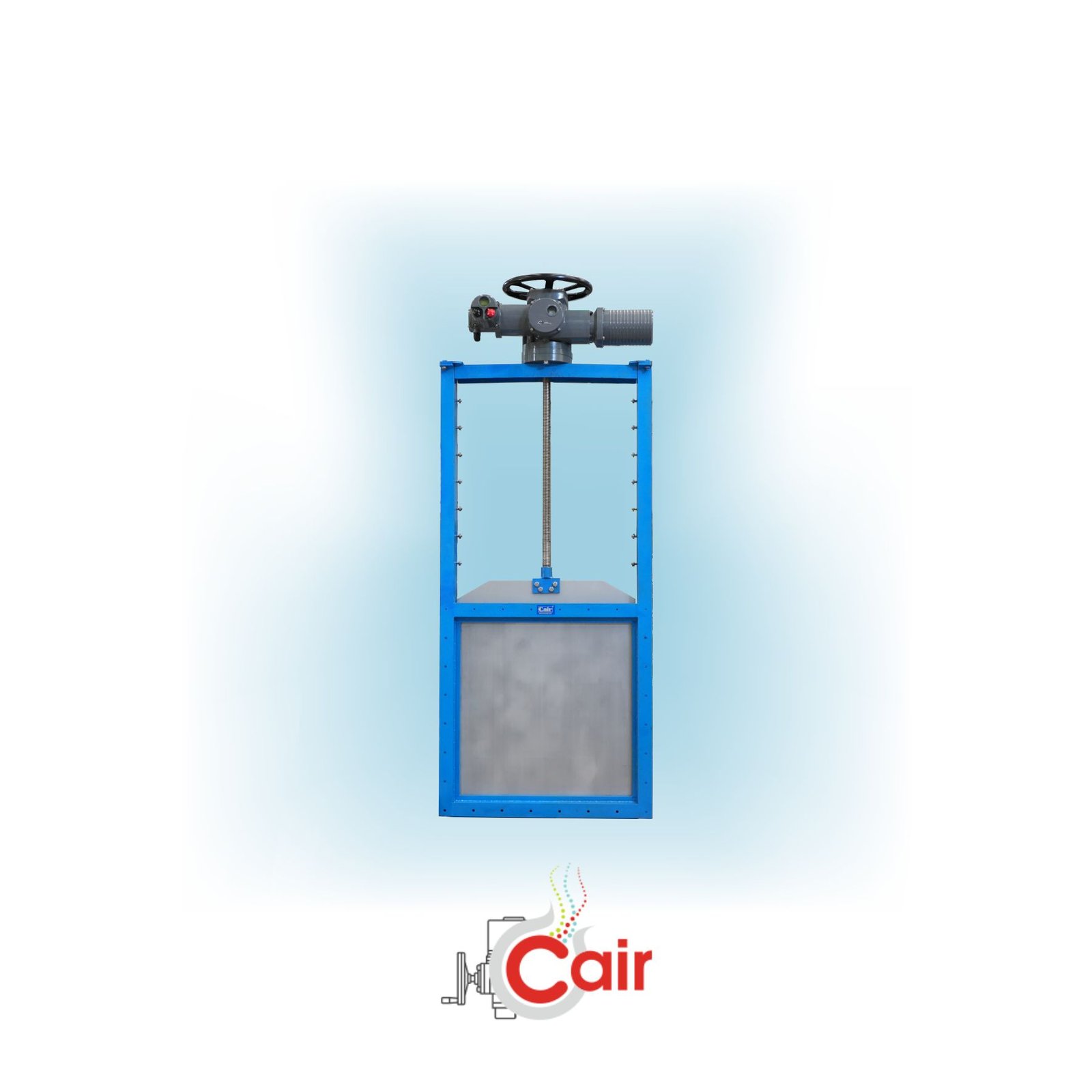
Water management is essential for agriculture, industry, and urban infrastructure. Dams, canals, reservoirs, and wastewater treatment plants must control water flow safely and efficiently. One of the most reliable solutions used in these systems is the sluice gate. With technological advancements, traditional manual gates have evolved into automatic sluice gates, which provide more accurate and efficient water flow control.
Automatic sluice gates are widely used in dam outlets, irrigation canals, flood control systems, and water treatment plants. These gates help regulate water levels, prevent flooding, and ensure proper distribution of water resources. Modern automation technology allows these gates to operate automatically based on water levels and system requirements.
What Are Automatic Sluice Gates?
An automatic sluice gate is a water control structure that opens or closes automatically to regulate the flow of water in a canal, reservoir, or pipeline. Unlike traditional manual gates that require human operation, automatic gates use electric actuators, sensors, and control systems to manage water flow efficiently.
These gates are designed to respond quickly to changes in water levels. When water levels increase, the system automatically opens the gate to release excess water. When water levels drop, the gate closes to maintain the desired water level.
Automatic sluice gates are especially useful in large irrigation systems where continuous monitoring and manual operation would be difficult.
Importance of Automatic Sluice Gates in Modern Water Systems
Water infrastructure projects require precise control of water movement. Automatic sluice gates help achieve this goal by providing reliable flow regulation.
Efficient Water Management
Automatic gates help maintain the correct water level in canals and reservoirs. This ensures efficient water distribution for irrigation and municipal supply systems.
Flood Prevention
During heavy rainfall, water levels can rise quickly. Automatic gates detect this increase and release excess water, reducing the risk of flooding.
Reduced Manual Operation
Automation reduces the need for workers to manually open or close gates. This improves safety and reduces operational costs.
Better Water Distribution
Irrigation canals often require balanced water distribution. Automatic gates ensure that water is supplied evenly to different regions.
Design of Automatic Sluice Gates
The design of automatic sluice gates focuses on strength, durability, and efficient operation. Since these gates operate in water environments, they must be built using corrosion-resistant materials and strong structural components.
Gate Structure
The main gate is usually made from mild steel or stainless steel. These materials provide strength and resistance to corrosion.
Frame and Guides
The gate frame supports the structure and ensures smooth vertical movement when the gate opens or closes.
Sealing System
Rubber or synthetic seals are used to prevent water leakage when the gate is closed.
Actuation System
The actuation system controls the movement of the gate. In automatic systems, this usually includes an electric actuator or motorized mechanism.
Control System
The control system receives signals from sensors and determines when the gate should open or close.
This combination of mechanical and electronic components ensures efficient operation of the automatic sluice gate.
How Automatic Sluice Gates Work
Automatic sluice gates operate using a combination of sensors, controllers, and motorized actuators.
First, water level sensors measure the level of water in the canal or reservoir. These sensors send signals to a control panel or PLC (Programmable Logic Controller).
The controller analyzes the data and determines whether the gate should open or close.
If the water level rises above the set limit, the controller activates the motorized actuator. The actuator lifts the gate, allowing water to flow through the channel.
Once the water level returns to normal, the system closes the gate again.
This automated process ensures continuous monitoring and efficient control of water flow.
Key Features of Automatic Sluice Gates
Automatic sluice gates provide several important features that improve water infrastructure systems.
Automated Operation
The gate operates automatically based on water levels and control signals.
Strong and Durable Construction
High-quality materials ensure long service life even in harsh environmental conditions.
Remote Monitoring
Operators can monitor gate performance remotely through digital control systems.
Efficient Flow Control
Automatic gates regulate water flow accurately, improving water management efficiency.
Corrosion Resistance
Special coatings and stainless steel materials protect the gate from rust and corrosion.
These features make automatic sluice gates ideal for modern water infrastructure projects.
Applications of Automatic Sluice Gates
Automatic sluice gates are used in many types of water control systems.
Dams and Reservoirs
They regulate the release of water from reservoirs to maintain safe water levels.
Irrigation Canals
Automatic gates distribute water efficiently across agricultural lands.
Flood Control Systems
Flood control channels use automated gates to release excess rainwater.
Wastewater Treatment Plants
Treatment plants use sluice gates to regulate water movement during different treatment stages.
Hydropower Projects
In hydropower plants, sluice gates control the flow of water entering turbines.
These applications highlight the importance of automatic sluice gates in water infrastructure systems.
Advantages of Automatic Sluice Gate Systems
Automation provides many benefits for water management authorities and infrastructure developers.
Improved Efficiency
Automated systems operate continuously and maintain stable water levels.
Faster Response to Water Level Changes
Sensors detect changes quickly and adjust the gate position automatically.
Lower Operational Costs
Automation reduces the need for manual labor and frequent monitoring.
Better Safety
Workers do not need to operate gates manually in hazardous conditions.
Long-Term Reliability
Well-designed automatic systems provide reliable performance for many years.
Choosing a Reliable Sluice Gate Manufacturer
Selecting a trusted sluice gate manufacturer is important for ensuring quality and performance. A reliable manufacturer provides durable gates, strong engineering design, and technical support.
When choosing a manufacturer, consider the following factors:
manufacturing experience
quality materials used in production
custom design capability
testing and quality control standards
after-sales support
Manufacturers like resilientgatevalve specialize in producing high-quality sluice gate systems designed for water infrastructure projects.
The company manufactures several types of flow control equipment including:
sluice gates
butterfly valves
air valves
non return valves
pressure reducing valves
These products are widely used in irrigation systems, municipal water supply networks, wastewater treatment plants, and industrial pipelines.
Future of Automatic Water Control Systems
Water infrastructure is evolving with the introduction of smart technologies. Automatic sluice gates are becoming part of smart water management systems that use advanced monitoring tools.
Future systems may include:
IoT-based water level monitoring
cloud-based control systems
AI-powered flood prediction tools
remote monitoring through mobile applications
These technologies will improve water distribution efficiency and help authorities manage water resources more effectively.
Conclusion
Automatic sluice gates play a vital role in modern water infrastructure systems. They provide efficient water flow control, reduce manual labor, and improve safety in dams, canals, and wastewater treatment facilities.
With the help of automation technology, these gates ensure reliable water management and better distribution of water resources. As infrastructure projects continue to grow, automatic sluice gate systems will remain an essential component of smart and sustainable water management solutions.
1. What is an automatic sluice gate?
An automatic sluice gate is a water control device used in dams, canals, and reservoirs to regulate water flow automatically using sensors, actuators, and control systems.
2. How do automatic sluice gates work?
Automatic sluice gates operate using water level sensors and motorized actuators. When water levels rise or fall, the system automatically opens or closes the gate to maintain proper flow.
3. Where are automatic sluice gates used?
Automatic sluice gates are commonly used in irrigation canals, dams, flood control systems, wastewater treatment plants, and hydropower projects to control water movement efficiently.
4. What are the advantages of automatic sluice gates?
Automatic sluice gates improve water management, reduce manual operation, provide accurate flow control, and help prevent flooding in large water infrastructure systems.
5. What materials are used in sluice gate manufacturing?
Sluice gates are typically manufactured using mild steel, stainless steel, or cast iron to ensure durability, corrosion resistance, and long service life in water environments.
6. Why are automatic sluice gates important for irrigation systems?
Automatic sluice gates help distribute water evenly across irrigation canals, ensuring proper water supply for agricultural fields and improving irrigation efficiency.
7. How do automatic sluice gates help in flood control?
During heavy rainfall or high water levels, automatic sluice gates open automatically to release excess water, reducing the risk of flooding and protecting nearby areas.
8. What factors should be considered when choosing a sluice gate manufacturer?
Key factors include manufacturing experience, product quality, material strength, customization capability, testing standards, and after-sales support.
