


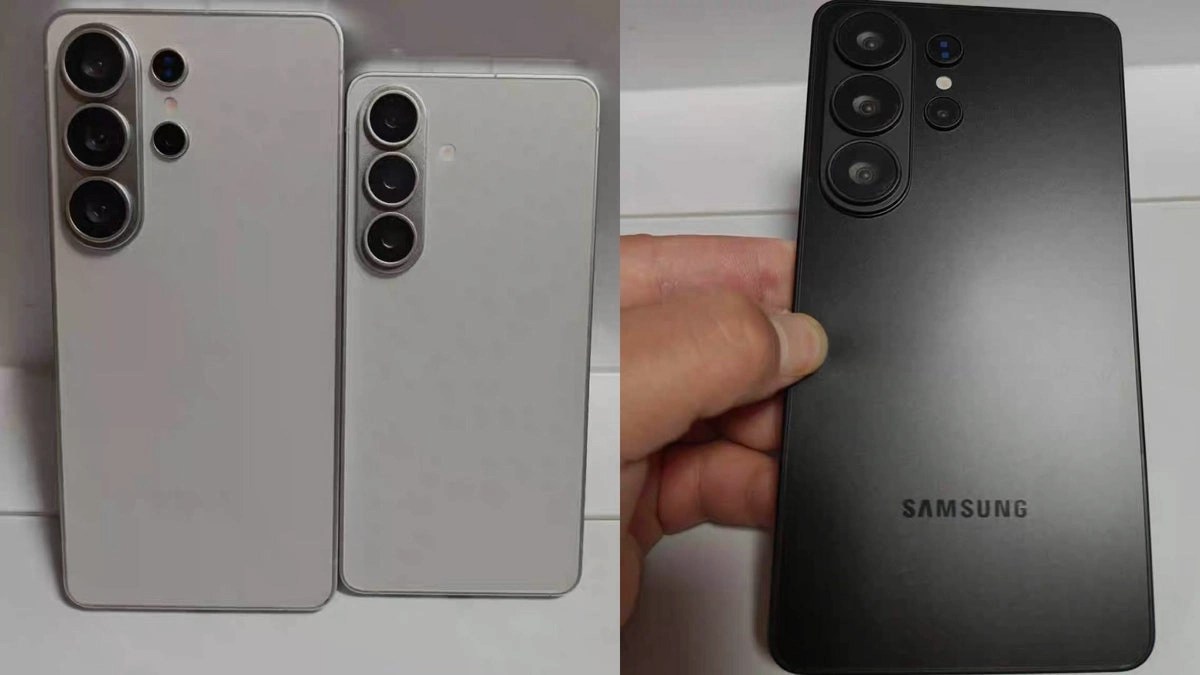
Samsung is one of the most influential technology companies in the world. From smartphones and televisions to semiconductors and home appliances, the Samsung brand has become synonymous with innovation, quality, and global reach. Today, Samsung products are used by hundreds of millions of people across continents, shaping how we communicate, work, and live.
This article explores Samsung’s history, business divisions, technological innovations, global impact, challenges, and future outlook, offering a complete and user-friendly overview of the company.
The Origins of Samsung: A Humble Beginning
Samsung was founded in 1938 by Lee Byung-chul in Daegu, South Korea. Initially, it was not a technology company at all. Samsung began as a small trading business, exporting groceries such as dried fish, noodles, and flour to China.
The name Samsung means “Three Stars” in Korean, symbolizing greatness, power, and eternity—values that still reflect the company’s long-term vision.
After the Korean War, Samsung expanded rapidly into various industries, including textiles, insurance, retail, and food processing. It wasn’t until the late 1960s that Samsung entered the electronics sector—a move that would eventually define its global identity.
Samsung Electronics: The Heart of the Empire
Samsung Electronics, founded in 1969, is the most well-known and profitable subsidiary of the Samsung Group. It is now one of the largest electronics manufacturers in the world.
Samsung Electronics operates across several major divisions:
Mobile Communications
Consumer Electronics
Semiconductor Solutions
Display Panels
Network and Digital Solutions
This diversified structure allows Samsung to lead in multiple markets simultaneously.
Samsung Smartphones: Redefining Mobile Technology
Samsung is best known globally for its smartphones, particularly the Galaxy series.
Galaxy S Series
The Galaxy S lineup represents Samsung’s premium flagship smartphones. Known for cutting-edge processors, advanced cameras, and sleek design, the Galaxy S series competes directly with Apple’s iPhone.
Galaxy Z Series (Foldables)
Samsung is the undisputed leader in foldable smartphones. Devices like the Galaxy Z Fold and Galaxy Z Flip introduced a new form factor to the smartphone market, positioning Samsung as a pioneer in mobile innovation.
Galaxy A Series
The Galaxy A lineup targets mid-range and budget users, offering strong performance, modern design, and excellent value for money—especially in emerging markets.
Samsung’s dominance in Android smartphones is supported by its custom software interface, One UI, which focuses on usability, accessibility, and long-term updates.
Innovation Beyond Smartphones
Samsung is far more than a phone company. Its innovation spans across multiple sectors.
Semiconductors and Chips
Samsung is one of the world’s largest semiconductor manufacturers, producing memory chips (DRAM, NAND), processors, and components used by other tech giants.
Samsung chips power:
Smartphones
Laptops
Data centers
AI systems
Automotive technology
The semiconductor business is a critical pillar of Samsung’s global dominance.
Displays and Screens
Samsung Display is a global leader in OLED and AMOLED display technology. Its screens are used not only in Samsung devices but also in products from other major brands.
Samsung TVs consistently rank among the best in:
QLED technology
8K resolution
Smart TV ecosystems
Samsung Home Appliances and Smart Living
Samsung has a strong presence in home appliances, including:
Refrigerators
Washing machines
Air conditioners
Microwaves
Smart home devices
With SmartThings, Samsung integrates appliances into a connected ecosystem, allowing users to control devices through smartphones and voice assistants.
This focus on smart living reflects Samsung’s vision of an interconnected digital lifestyle.
Research, Development, and Innovation Strategy
Samsung invests heavily in research and development (R&D). Each year, the company spends billions of dollars to stay ahead of competitors.
Key areas of innovation include:
Artificial Intelligence (AI)
5G and 6G networks
Semiconductor miniaturization
Quantum computing research
Sustainable technology
Samsung operates multiple global R&D centers across Asia, Europe, and North America.
Global Presence and Market Influence
Samsung operates in more than 70 countries, with manufacturing plants, R&D facilities, and regional headquarters worldwide.
The company is especially strong in:
Asia
Europe
North America
Africa
Latin America
In many regions, Samsung is not just a brand but a market leader, particularly in smartphones, TVs, and memory chips.
Samsung vs Competitors
Samsung competes with some of the biggest names in technology:
Apple (smartphones, wearables)
TSMC (semiconductors)
LG and Sony (displays, TVs)
Chinese brands like Xiaomi and Huawei (smartphones)
What sets Samsung apart is its vertical integration—it designs, manufactures, and sells many of its own components, reducing dependency on external suppliers.
For further information: Galaxy Z Fold 7
Corporate Responsibility and Sustainability
Samsung has increasingly focused on environmental and social responsibility.
Key sustainability initiatives include:
Reducing carbon emissions
Using recycled materials in devices
Energy-efficient manufacturing
Responsible supply chain management
Samsung has also committed to long-term goals such as net-zero emissions in certain divisions.
Challenges and Controversies
Despite its success, Samsung has faced challenges:
Legal issues involving top leadership
Intense competition in smartphones
Supply chain disruptions
Geopolitical tensions affecting chip manufacturing
However, Samsung has shown resilience, adapting quickly to global changes and maintaining its leadership position.
For further information: Redmi 15c
Samsung’s Future Outlook
Looking ahead, Samsung is focused on the future of technology.
Key growth areas include:
AI-powered devices
Foldable and rollable displays
Advanced chip manufacturing
Smart cities and IoT
Health and wearable technology
Samsung aims to remain at the forefront of innovation while balancing sustainability and ethical business practices.
Why Samsung Matters Globally
Samsung’s impact goes beyond products. It influences:
Global technology standards
Employment across industries
Economic growth in South Korea
Innovation trends worldwide
Few companies have shaped modern technology as deeply as Samsung.
Conclusion
Samsung’s journey from a small Korean trading company to a global technology powerhouse is a story of vision, innovation, and adaptability. Through smartphones, semiconductors, displays, and smart living solutions, Samsung continues to shape the digital world.
With its commitment to innovation, sustainability, and global connectivity, Samsung is well-positioned to remain a leading force in technology for decades to come.
Whether you use a Samsung phone, watch content on a Samsung TV, or rely on technology powered by Samsung chips, the company’s influence is everywhere—and its future looks just as ambitious as its past.
For more great updates, keep visiting Aitechinof.
